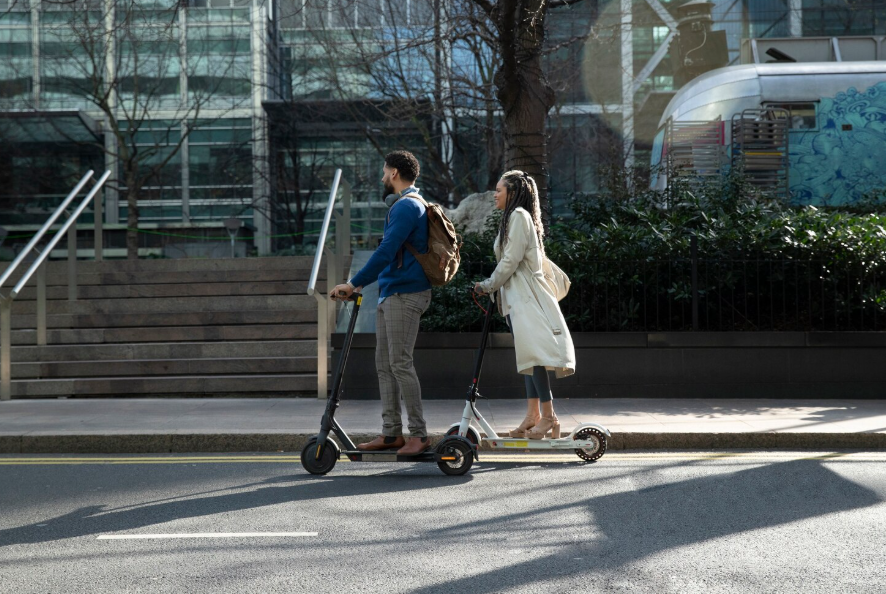
The Future of Mobility is reshaping how people and goods move across cities and regions. Rapid urbanization, environmental concerns, and technological progress are pushing transportation systems toward smarter, cleaner, and more connected solutions. The Future of Mobility is not limited to new vehicles alone but includes infrastructure, energy systems, digital platforms, and changes in how society thinks about movement. This transformation is designed to improve efficiency, reduce emissions, and create safer, more accessible transportation for everyone.
What the Future of Mobility Really Means
The Future of Mobility refers to the shift from traditional transportation models toward integrated, technology driven mobility systems. These systems combine vehicles, data, and infrastructure to create seamless travel experiences. Instead of relying only on privately owned cars, the Future of Mobility promotes shared transport, intelligent traffic management, and flexible travel options. This approach focuses on moving people efficiently rather than simply selling vehicles.
Smart Transport Systems and Digital Intelligence
Smart transport is a key pillar of the Future of Mobility. Advanced sensors, real time data, and artificial intelligence are being used to manage traffic flow and reduce congestion. Smart traffic signals adapt to traffic conditions, while navigation systems guide drivers toward less crowded routes. The Future of Mobility uses data analytics to predict travel demand and optimize transport networks, saving time and reducing fuel consumption.
Clean Energy and Sustainable Transportation
Sustainability is at the heart of the Future of Mobility. Transportation has traditionally been a major source of pollution, but clean energy solutions are changing that reality. Electric vehicles, hydrogen powered transport, and renewable energy integration are reducing dependence on fossil fuels. The Future of Mobility supports lower emissions by combining clean vehicles with energy efficient infrastructure and smart charging systems that balance power demand.
The Rise of Connected Cities
Connected cities play a vital role in shaping the Future of Mobility. Urban environments are becoming digitally connected through sensors, communication networks, and intelligent platforms. These systems allow public transport, emergency services, and private vehicles to share information instantly. The Future of Mobility benefits from this connectivity by improving coordination, reducing delays, and enhancing safety across the transportation ecosystem.
Shared Mobility and Changing Ownership Models
One of the most visible shifts in the Future of Mobility is the move away from traditional vehicle ownership. Shared mobility services such as ride sharing, car sharing, and on demand transport are becoming more popular. These services reduce the number of vehicles on the road and make transportation more affordable. The Future of Mobility encourages access over ownership, especially in dense urban areas where space and resources are limited.
Autonomous Technology and the Future of Mobility
Autonomous technology is expected to play a significant role in the Future of Mobility. Self driving systems aim to reduce accidents caused by human error and improve traffic efficiency. While full autonomy is still under development, partial automation is already enhancing safety and convenience. The Future of Mobility envisions autonomous vehicles working alongside smart infrastructure to create smoother and more predictable travel experiences.
Public Transportation Reinvented
Public transportation is also evolving as part of the Future of Mobility. Digital ticketing, real time tracking, and integrated mobility platforms make public transit more user friendly. Buses, trains, and metro systems are becoming cleaner and more efficient through electrification and automation. The Future of Mobility strengthens public transport by making it a reliable and attractive alternative to private vehicles.
Accessibility and Inclusive Mobility
An important goal of the Future of Mobility is inclusivity. Transportation systems must serve people of all ages and abilities. Smart design, digital assistance, and flexible transport services improve accessibility for elderly individuals and people with disabilities. The Future of Mobility prioritizes equal access to transportation as a foundation for social and economic participation.
Economic Impact of the Future of Mobility
The Future of Mobility is creating new economic opportunities across industries. Innovation in vehicle technology, software development, infrastructure planning, and energy management is generating jobs and investment. Businesses benefit from faster logistics and more reliable transport networks. The Future of Mobility supports economic growth by enabling efficient movement of people and goods.
Challenges in Adopting the Future of Mobility
Despite its benefits, the Future of Mobility faces challenges such as infrastructure costs, regulatory frameworks, and public acceptance. Data privacy and cybersecurity are also critical concerns in connected systems. Addressing these challenges requires collaboration between governments, industries, and communities. The Future of Mobility depends on balanced policies that encourage innovation while protecting public interests.
Why the Future of Mobility Matters
The Future of Mobility is more than a technological trend. It represents a fundamental shift toward smarter, cleaner, and more human centered transportation. By reducing congestion, lowering emissions, and improving safety, the Future of Mobility enhances quality of life. It supports sustainable urban growth and prepares societies for long term mobility needs.
Conclusion
The Future of Mobility is transforming transportation through smart transport systems, clean energy solutions, and connected cities. This shift is redefining how people travel, how cities function, and how resources are used. As technology and policy continue to align, the Future of Mobility will deliver safer roads, cleaner air, and more efficient movement. Embracing this transformation is essential for building a sustainable and connected future of transportation.